Research Peptide Storage in Canada: Laboratory Handling and Preservation Best Practices
When working with research peptides in a Canadian laboratory setting, proper storage and handling are critical to maintaining material integrity throughout your study. Whether you receive lyophilised powder or reconstituted solutions, the conditions under which peptides are kept—temperature, humidity, light exposure, and container type—directly affect stability and the reliability of your experimental results. This guide addresses the practical considerations for storage, reconstitution, and chain-of-custody documentation that laboratory professionals should evaluate when selecting a supplier and managing inventory.
Understanding Lyophilised Peptide Stability and Storage Requirements
Most research peptides arrive as lyophilised (freeze-dried) powder, a form chosen because it can extend the window during which material remains suitable for experimental work and simplify shipping logistics. Lyophilised material is hygroscopic: it readily absorbs moisture from the air, which can trigger degradation pathways including oxidation, hydrolysis, and aggregation.
Standard storage conditions for lyophilised peptides typically include:
- Temperature: −20 °C is the standard for storage; some facilities use −80 °C for extended periods (months to years).
- Humidity: Sealed containers kept below 35% relative humidity. Desiccant packets or nitrogen flushing in vials are common preservation methods.
- Light exposure: Protection from direct sunlight and ultraviolet radiation, achieved through opaque or amber vials and storage away from laboratory lighting.
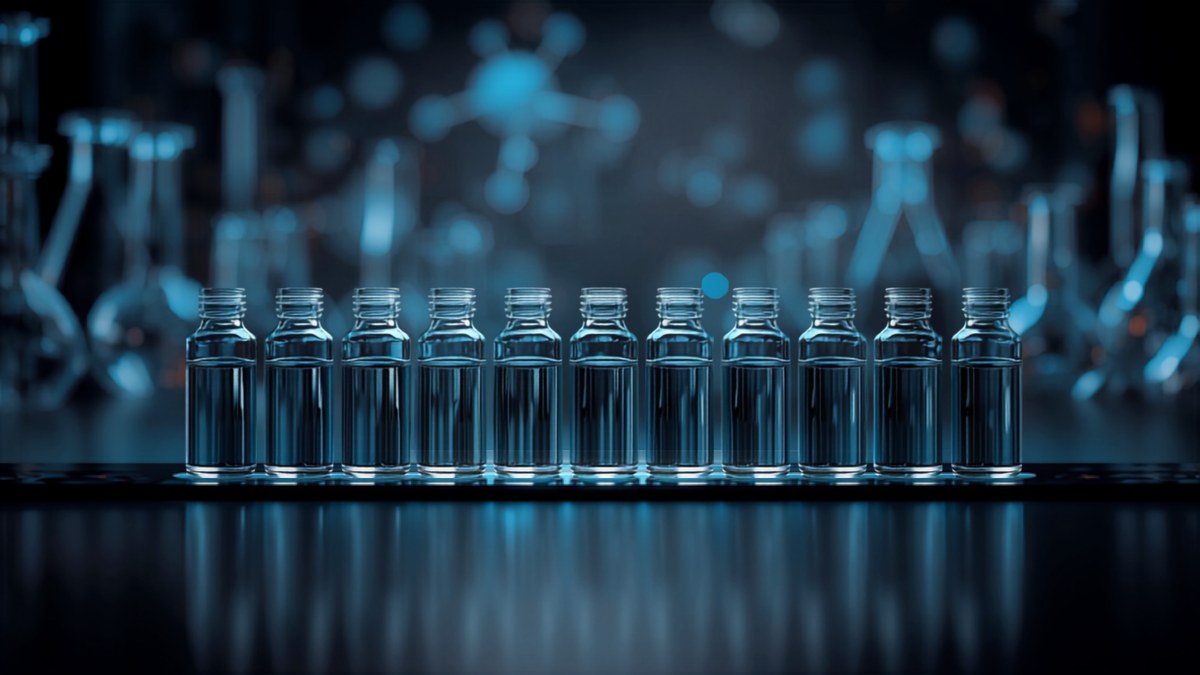
- Container integrity: Glass vials with inert closures (rubber septa and crimp seals) are preferred over plastic, which can leach compounds or allow gas exchange.
When you receive peptide shipments, inspect vials for signs of moisture ingress (discolouration, clumping, or visible condensation) before opening. A reputable supplier will package material in sealed, desiccated containers designed to survive transit and maintain stability on receipt. Document the condition of vials on arrival as part of your chain-of-custody record; if deterioration is evident, contact your supplier immediately.
Reconstitution Practice: Solvent Selection and Procedure
Reconstitution—dissolving lyophilised peptide in a solvent—is a critical step that many researchers handle inconsistently. The choice of solvent, pH, temperature, and technique all influence whether your peptide remains in its intended form and behaves predictably in your experiments.
Key considerations include:
- Solvent choice: Sterile water, phosphate-buffered saline (PBS), or acetonitrile are common; your experimental protocol should specify which. Some peptides precipitate or aggregate in water alone; others require organic co-solvents or pH-adjusted buffers. Consult your compound documentation and published protocols before selecting a solvent.
- Temperature during reconstitution: Room temperature is standard, but some hydrophobic peptides may benefit from gentle warming (not exceeding 37 °C) to promote dissolution. Avoid boiling or prolonged heat, which can accelerate degradation pathways.
Do not shake vigorously or use sonication unless your protocol explicitly calls for it.
- pH and osmolarity: If reconstituting in buffer, confirm that the final pH and osmolarity match your experimental design. Peptides are sensitive to extremes of pH; storage at neutral pH (7.0–7.4) is typical for most compounds.
Post-reconstitution handling depends on the peptide sequence, solvent composition, and storage temperature. Reconstituted solutions are generally considered less stable than lyophilised powder; most should be aliquoted into sterile microtubes and frozen at −20 °C or −80 °C immediately after preparation. Document the reconstitution date, solvent batch, and final concentration on each aliquot's label.
Cold-Chain Management and Delivery Windows
Maintaining the cold chain—the unbroken sequence of refrigerated handling from manufacture through your receipt—is a standard practice in research material supply. Disruptions (warm shipments, delays, thawing) can affect material condition before you begin work.
What to assess when evaluating a supplier's cold chain:
- Shipping method and timing: Orders should ship directly from the manufacturing partner within a defined window. In Canada, a typical delivery period is 10–15 days; planning your experiments with this window in mind ensures material arrives when you are ready to begin work.
- Packaging: Peptides should arrive in insulated boxes with ice packs, dry ice, or gel packs calibrated to maintain temperature during transit. Inspect packaging on arrival for signs of warming (melted ice, condensation inside the box).
- Temperature documentation: Some suppliers include data loggers in shipments; these record temperature over time and provide evidence of how conditions were maintained throughout transit. If your research requires reproducibility across multiple suppliers or institutional oversight, ask whether temperature documentation is available.
- Receiving procedures: Upon arrival, immediately transfer peptides to your designated freezer (−20 °C or −80 °C, as appropriate). Do not leave material on the bench. Record the receipt date, receiving person, and initial visual inspection in your laboratory notebook or electronic record.
A well-managed cold chain minimises exposure to unfavourable conditions during transit. If a shipment arrives warm or delayed, document the circumstances and consider whether a replacement order is warranted before proceeding with experiments.
Labelling, Documentation, and Chain of Custody
Chain of custody—a documented record of who handled material, when, and how it was stored—is fundamental to reproducible research and traceability.
Essential information to record and maintain:
- Supplier and batch/lot number: Maintain a master inventory log with the peptide name, supplier, lot number, date received, and any expiration information provided by the supplier.
- Storage location and conditions: Document which freezer (−20 °C vs. −80 °C), which shelf, and which researcher has primary responsibility. If you move material between locations, update records.
- Reconstitution details: Date, solvent, pH, concentration, researcher initials, and subsequent storage conditions. If you aliquot reconstituted peptide, label each tube with the parent lot, reconstitution date, and aliquot date.
- Use and disposal: Log when material is withdrawn from storage and for which experiment. At the end of experiments, record whether material was consumed, returned to storage, or discarded.
Practical labelling approach:
- Use waterproof labels on all vials, even lyophilised powder.
- Include compound name (or code), lot number, date received, storage temperature, and any expiration information.
- Store all hard-copy or digital records (photographs of labels, inventory spreadsheets, researcher notes) in a central location accessible to all team members.
When selecting a supplier, ask whether they provide lot numbers and any batch summary documentation. Clear communication about what materials accompany an order supports your laboratory's documentation and quality practices.
Evaluating Supplier Reliability: Questions to Ask
When you contact a supplier to discuss research peptide storage considerations and orders, consider asking the following to assess their operational standards:
- Shipping timeline: Confirm the typical delivery window (10–15 days in Canada) and whether it varies seasonally or by destination.
- Packaging and cold-chain practices: How are peptides packaged? What is their procedure if material arrives visibly compromised during transit?
- Lot assignment and traceability: Do they assign lot numbers? Can they describe what information accompanies each shipment?
- Reconstitution support: Can they provide written guidance on reconstitution for the specific peptide you order, including recommended solvents and procedures?
- Storage recommendations: Do they offer post-receipt storage guidance tailored to your peptide's composition and expected handling?
- Reorder consistency: If you order the same peptide multiple times, do they maintain lot-to-lot consistency, and can you communicate a preference for a specific batch?
These questions help you confirm that the supplier follows practical, professional protocols that support consistent receipt of material in appropriate condition.
Practical Bench Procedures: A Checklist for Receipt and Storage
Use this simple checklist when you receive a research peptide shipment:
1. Upon arrival: Note the date and time. Inspect the outer box for signs of damage or warmth.
2. Open packaging carefully: Check the condition of vials (sealed, desiccated, no discolouration). If material looks compromised, photograph it and contact the supplier before opening vials.
3. Label immediately: Transcribe lot number, receipt date, and storage location onto vial labels.
4. Store promptly: Transfer to the appropriate freezer (−20 °C or −80 °C) within minutes of inspection.
5. Document in your inventory: Record supplier, lot, date received, and designated storage location in your laboratory log or electronic system.
6. Plan reconstitution: Before opening a vial for the first time, confirm your reconstitution solvent, protocol, and aliquoting plan.
Research Note
This article summarises practical guidance for peptide storage and handling in a research laboratory setting. It is not medical advice, and the considerations outlined should be adapted to your specific peptide, protocol, and institutional requirements. For detailed information on stability, reconstitution, and storage, consult published literature on your compound of interest and discuss best practices with your research team and supplier.
Disclaimer
This article is intended for educational purposes in a research context. All peptides discussed are for laboratory research use only. We hold no analytical documentation, certificates of analysis, or purity verification; material should be treated as uncharacterised until independently tested by your laboratory. Do not use any research peptide for human or veterinary purposes. Always follow your institution's protocols for chemical handling, storage, and disposal.