Reconstitution Research Peptides: Proper Laboratory Technique and Supplier Evaluation
Reconstituting lyophilised research peptides is a foundational skill in peptide research workflows. Whether you are preparing material for structure–activity studies, cellular assays, or analytical characterization, the reconstitution process directly affects the usability and integrity of your sample. This guide covers best practices in handling, solvent selection, sterility considerations, and the practical criteria you should use when evaluating a supplier's fitness for your laboratory.
Understanding Lyophilised Peptide Form and Why Reconstitution Matters
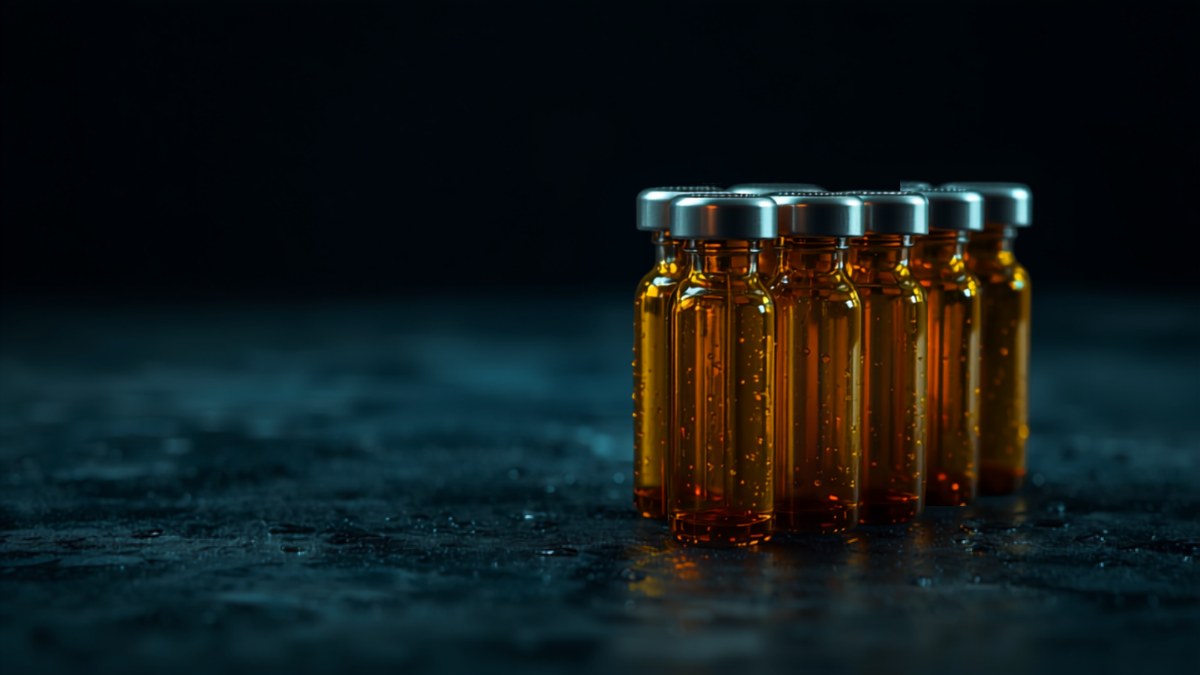
Research peptides are supplied as lyophilised (freeze-dried) powder for good reason: this form minimizes degradation during storage and transport, extends shelf life at standard refrigeration temperatures, and reduces weight and shipping volume. However, lyophilisation is not a guarantee of stability post-reconstitution. Once the peptide powder is dissolved, the molecule re-enters aqueous solution where it may face osmotic stress, oxidation, enzymatic degradation, or microbial contamination depending on the solvent, pH, and storage conditions chosen.
Reconstitution is therefore not a trivial step—it is the transition from a protected solid state to an active research material. The choices you make during this process shape your experimental outcomes. Laboratories that treat reconstitution as a standardized, documented procedure tend to report more reproducible results and better troubleshooting records when problems do arise.
Solvent Selection and Preparation
The solvent you select for reconstitution is the first critical decision. Common choices for research peptides include:
- Ultrapure water (MilliQ or equivalent): Suitable for hydrophilic peptides; minimizes non-specific interactions but provides no pH buffering.
- Phosphate-buffered saline (PBS): Physiological pH and osmolarity; appropriate for many cell-based assays and maintains peptide charge state close to physiological conditions.
- Acetate buffer or other weak buffers: Useful when pH stability within a narrow range is essential; less likely to introduce interfering ions than strong buffers.
- Organic co-solvents (DMSO, ethanol, or acetonitrile): Sometimes necessary for highly hydrophobic or poorly soluble peptides; must be used cautiously as they can affect peptide aggregation state and assay readout.
Regardless of solvent choice, use the highest-quality reagent grade available. For water, this means ultrapure grade (resistivity >18 MΩ·cm). Autoclave or filter-sterilize solvents if sterility is a requirement for your downstream application. Pre-chill solvents to 4 °C before adding lyophilised material—this reduces aggregation risk and osmotic shock, particularly for long peptides or those prone to hydrophobic collapse.
Step-by-Step Reconstitution Procedure
A standardized bench protocol reduces variability:
1. Inspect the vial. Check the lyophilised cake for visual defects, moisture, or discoloration. A hard, compact cake typically indicates proper freeze-drying and storage. A wet or clumpy appearance may signal water ingress or degradation.
2. Calculate the target concentration. Determine the mass of peptide you received (the supplier should provide this in writing; see supplier evaluation section below). Decide your final working concentration and calculate the volume of solvent needed. Document this calculation in your lab notebook or LIMS.
3. Reconstitute slowly. Add solvent in small increments (e.g., 10–20 % of the final volume at a time), gently agitating between additions. Avoid vigorous vortexing, which introduces air and can promote aggregation. Allow the peptide to fully dissolve at each step before proceeding.
4. pH check. If using buffer, measure the pH of the reconstituted solution. It should match the intended pH ± 0.2 units. If pH is anomalous, document this and consider whether the batch is fit for your application.
5. Aliquoting and storage. Divide the reconstituted peptide into small, single-use aliquots in sterile cryovials. Avoid repeated freeze–thaw cycles by not storing the entire volume in one container. Freeze at –20 °C (short term, weeks) or –80 °C (longer term, months). Do not store reconstituted peptide at 4 °C for more than a few days unless the solvent contains antimicrobial additives.
6. Label and document. Every vial must carry the peptide identifier, reconstitution date, solvent, target concentration, lot number (if supplied by the vendor), and your initials. Maintain a log linking vial codes to storage location.
Material Documentation and Your Responsibility for Characterization
When ordering reconstitution research peptides, you should understand what documentation typically accompanies the material and what responsibility rests with your laboratory.
This supplier holds no analytical documentation. We do not issue certificates of analysis, batch-specific testing results, or verification of any kind. The material should be treated as uncharacterised. This practice is common across the research-compound supply sector, particularly for custom or novel sequences. The responsibility for characterization—if needed for your application—falls entirely on your receiving laboratory.
If your experimental design requires analytical validation, you may perform evaluation using instruments available in your own facility or through your institution's core laboratory. Techniques such as UV–visible spectrophotometry can provide optical density data; you might also access more specialized instrumentation through collaborators. Store the results of any such analysis alongside your vial records and batch information. Building a baseline over time by comparing results across multiple orders can help you establish consistency and identify trends.
Chain of custody begins with your receiving process. Log the delivery date, package condition, and any visible damage. Record the lot number or batch identifier supplied by the vendor (if one is provided). Photograph the lyophilised cake before opening. These steps create an audit trail that is invaluable if you need to trace a problem back through your experiments.
Storage and Cold Chain Integrity
Lyophilised peptides are best stored at –20 °C or –80 °C in a dedicated freezer with temperature monitoring. Fluctuating temperatures, repeated thaw cycles, and exposure to light accelerate degradation. A few practical points:
- Designate a freezer specifically for research compounds to minimize door openings and temperature swings.
- Use airtight, moisture-proof vials. Glass cryovials with silicone-lined caps are the standard; avoid tubes with rubber stoppers that can absorb moisture or leach compounds.
- Store in the dark. Cover your freezer box or store vials in an opaque container to shield from light.
- Document storage temperature weekly. Use a calibrated thermometer or a data-logging device. If temperature drifts, flag the batch and reassess its suitability for use.
- Reconstituted material: Keep at –80 °C if possible, or at –20 °C for no longer than a few weeks. Thaw only the aliquot you intend to use immediately.
Evaluating Your Supplier: Key Questions and Red Flags
When you select a supplier for reconstitution research peptides, you are trusting them with quality consistency and regulatory compliance. Here are criteria to assess:
Documentation transparency:
- Does the supplier clearly state in writing the mass of each peptide batch?
- Do they provide a lot number or batch code?
- Can they tell you the storage conditions under which the material was held?
- Are they transparent about what they do not provide (e.g., analytical testing, certificates of analysis)?
Compliance with research-use-only intent:
- Does all marketing material and product language clearly state "for laboratory research use only"?
- Do they avoid therapeutic, medical, or diagnostic language?
- Is there any mention of human or veterinary application? (This is a red flag for compliance.)
Ordering and delivery:
- What is the stated delivery window? Orders ship directly from our manufacturing partner with a standard delivery window of 10–15 days.
- Do they make unfounded promises ("pharmaceutical grade," "clinically proven," "highest purity")?
- Are they clear about not making efficacy, purity, or therapeutic claims?
Cold chain:
- How is material packaged for shipment? (Insulated box, dry ice, or equivalent.)
- What guidance do they provide for inspection upon arrival?
- Do they replace material that arrives damaged?
Communication:
- Are they responsive to technical questions about reconstitution, solubility, or storage?
- Do they acknowledge limitations in their knowledge or data?
- Do they refrain from offering medical or administration advice?
If a supplier cannot or will not answer these questions clearly, consider moving to another vendor.
Practical Troubleshooting After Reconstitution
Once reconstituted, a few problems may arise:
- Incomplete dissolution: The peptide does not fully dissolve after gentle agitation. This may indicate hydrophobicity, incorrect pH, or aggregation. Try a different solvent (add 10–20 % organic solvent), adjust pH, or apply gentle sonication for a few seconds.
- Cloudiness or precipitation: Usually indicates aggregation, osmotic stress, or contamination. Do not use this batch for quantitative work. Investigate the solvent, pH, and storage history.
- Viscosity changes over time: Suggests degradation or microbial growth. Re-examine storage conditions and consider a shorter shelf life for reconstituted material.
Document all observations and retain the vial for reference.
Closing Disclaimer
This article is for educational purposes and addresses general laboratory practice in reconstituting research peptides. It is not medical advice, and nothing herein constitutes guidance for human or veterinary use. All research compounds are intended for laboratory research use only. Always consult the primary literature, your institution's safety protocols, and your supplier's technical documentation before beginning work. Do your own research and validate all procedures in your own laboratory environment.