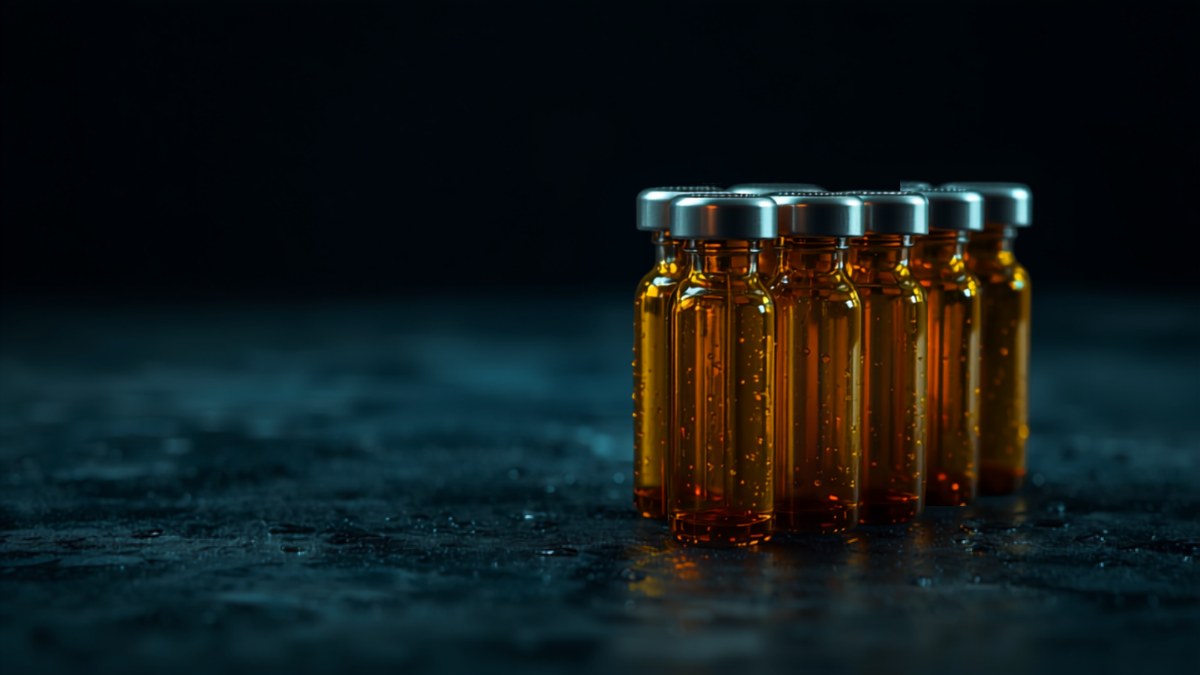
Reconstitution Research Peptides: Laboratory Handling Essentials
Reconstitution of lyophilised peptide material is a foundational laboratory procedure that directly affects the integrity and usability of research compounds. Whether you are establishing a new peptide workflow or refining existing protocols, understanding the principles of reconstitution—from solvent selection through post-reconstitution storage—ensures reproducibility and minimises material loss. This guide covers the practical bench considerations that drive successful peptide handling in research settings.
What Reconstitution Means and Why It Matters
Lyophilisation (freeze-drying) is the standard form in which research peptides are supplied. This process removes water under vacuum, leaving a dry powder that is significantly more stable than aqueous solutions during storage and shipping. Reconstitution is the rehydration step: dissolving the lyophilised peptide in an appropriate solvent to create a usable research solution.
The reason reconstitution matters is straightforward: the choice of solvent, the volume selected, storage temperature, and handling technique all influence the peptide's behaviour in downstream assays. A poorly reconstituted sample may aggregate, denature, or precipitate, producing inconsistent results and wasting material. Conversely, a methodical reconstitution workflow—one that is documented and repeatable—supports reliable research outcomes.
Evaluating Supplier Information and Documentation
When ordering reconstitution research peptides, a researcher should expect clear, practical guidance from the supplier. Critical information includes:
- Recommended solvent(s). Most peptides dissolve in sterile water, phosphate-buffered saline (PBS), or acetic acid solutions, but peptide-specific properties determine the preferred choice. The supplier should specify this, ideally with a rationale (e.g., "peptide contains hydrophobic residues; acetic acid improves solubility").
- Initial dissolution conditions. Temperature, pH range, and any pre-treatment steps (e.g., gentle vortexing vs. sonication) should be documented.
- Guidance on post-reconstitution storage. How long does the reconstituted solution remain chemically intact at 4 °C, −20 °C, or room temperature? This is a working recommendation based on peptide chemistry and storage conditions, not a guarantee.
- Chain of custody and labelling. Each vial should carry lot/batch identification, expiry date, storage instructions, and a clear statement that the material is for research use only.
A critical point: we hold no analytical documentation for our material. There is no certificate of analysis (COA), no third-party HPLC verification, no purity assay, and no stability testing report. Treat all reconstitution research peptides as uncharacterised compounds. If your research requires verified purity or analytical proof, those tests must be performed in-house or outsourced to a qualified analytical laboratory before use in any assay.
Solvent Selection and Initial Reconstitution Technique
Choosing the right solvent is the first practical step. Most lyophilised peptides are hydrophilic and dissolve readily in sterile water or PBS. However, some peptides—particularly those rich in nonpolar amino acids—may resist aqueous dissolution.
Common solvents for peptide reconstitution:
- Sterile water (dH₂O or nuclease-free water). Suitable for most peptides. Use a sterile, pyrogen-free grade.
- PBS (pH 7.2–7.4). Mimics physiological conditions and is often chosen for studies requiring neutral buffer conditions.
- Acetic acid (0.1 %, 1 %, or neat). Lowers pH and can improve solubility of hydrophobic peptides; requires neutralisation if downstream assays are pH-sensitive.
- DMSO (dimethyl sulfoxide). Occasionally used for extremely hydrophobic peptides; use with caution in cell-based assays, as DMSO itself can affect cell behaviour.
Reconstitution procedure:
1. Prepare the workspace. Use a laminar flow hood if sterility is critical. Have all materials (solvent, pipettes, sterile tubes) within reach.
2. Record initial conditions. Note the lyophilised mass (typically indicated on the vial label), the solvent, the intended final concentration, and the date and time.
3. Add solvent slowly. Do not pour solvent directly onto the powder. Instead, pipette the solvent gradually onto the lyophilised cake.
4. Allow standing time. Peptides can take 10–30 minutes to fully dissolve. Resist the urge to vortex immediately; let diffusion work first.
5. Mix gently. Once the powder is visibly wet, mix by gentle pipette aspiration or low-speed vortexing (avoid vigorous agitation, which can introduce air and promote oxidation or aggregation).
6. Inspect the solution. The reconstituted peptide should be clear or slightly opalescent. Cloudiness or precipitate may indicate aggregation, pH mismatch, or insufficient solubility; document this observation.
Storage, Stability, and Cold-Chain Integrity
Once reconstituted, a peptide solution enters a new phase during which multiple degradation pathways become relevant. Aqueous peptide solutions can be vulnerable to bacterial or fungal contamination, oxidation, hydrolysis (particularly at extremes of pH), and aggregation.
Post-reconstitution storage best practices:
- Temperature. Store at 4 °C for short-term work (days to weeks), or −20 °C for longer retention (weeks to months). Ultra-cold storage (−80 °C) is an option for extended retention but is often unnecessary for research compounds used within a season.
- Container. Use sterile, pyrogen-free microtubes or vials. Glass is preferable if the peptide is known to absorb onto plastics.
- Headspace. Minimise air space by using appropriately sized tubes or by overlaying with sterile mineral oil or nitrogen gas, which reduces oxidation.
- Labels and tracking. Record the reconstitution date, solvent used, target concentration, storage temperature, and your initials. Include a reference date for use (e.g., +30 days from reconstitution if stored at 4 °C, +3 months if at −20 °C). These are working assumptions; your protocol should define the limit based on your assay's sensitivity to peptide degradation.
- Cold-chain documentation. If material is shipped to your facility, verify that the cold pack or insulated container maintained the required temperature during transit. Orders ship directly from our manufacturing partner; standard delivery is 10–15 days. Note the arrival date and inspect the vial for frost or condensation, which may indicate temperature excursion.
Practical Considerations for Bench Stability
Beyond storage, several handling practices affect reconstituted peptide stability:
- Freeze–thaw cycles. Repeated thawing and refreezing can precipitate peptides or promote aggregation. If possible, aliquot the reconstituted solution into smaller volumes immediately after reconstitution, freeze each aliquot, and use one aliquot at a time, discarding what remains.
- Contamination risk. Always use sterile pipette tips and aseptic technique. If the solution will be used over several days, consider adding a preservative (e.g., 0.02 % sodium azide) if your downstream assay permits it.
- Air oxidation. Peptides containing methionine or cysteine can be sensitive to oxidation. Minimise agitation and maintain reducing conditions (e.g., add dithiothreitol or β-mercaptoethanol) if necessary for your work.
- pH drift. Unbuffered aqueous solutions can drift in pH due to CO₂ absorption from air. Use a buffered reconstitution solvent (PBS, Tris) if pH stability is important for your assay.
Sourcing Reconstitution Research Peptides: What to Expect from a Supplier
A supplier of reconstitution research peptides should provide:
- Clear, written protocols for solvent selection and reconstitution.
- Batch or lot identification on every vial.
- A statement that the material is for laboratory research use only.
- Labelling that includes storage conditions and a recommended use window.
- Transparent information about shipping conditions (e.g., "orders ship directly from our manufacturing partner; standard delivery window is 10–15 days").
- A clear statement about the absence of analytical documentation—i.e., no third-party testing, no purity certificate, no HPLC or mass-spec verification.
What a supplier should not claim:
- Assurances about potency or performance in your specific assay.
- Medical, therapeutic, diagnostic, or health-related benefits of any kind.
You are responsible for validating the peptide's suitability for your work. This may include in-house purity testing, solubility trials, or functional assays to ensure the material behaves as expected in your system.
Key Takeaways for Reproducible Peptide Reconstitution
- Lyophilised peptides require careful reconstitution to preserve their research utility. Solvent choice, dissolution technique, and post-reconstitution storage directly affect outcome reproducibility.
- Supplier documentation should guide solvent selection and storage; verify that the information is practical and specific to the peptide you have received.
- Remember that we hold no analytical documentation; all reconstitution research peptides should be treated as uncharacterised material. Verification of identity or purity is your responsibility.
- Freezing aliquots, minimising freeze–thaw cycles, and maintaining rigorous cold-chain documentation reduce variability and waste.
- Adopt a written protocol for your reconstitution workflow and record each batch's handling history. Reproducibility in research depends on consistency in practice.
Disclaimer: This post is educational and describes general laboratory practices for handling lyophilised peptides. It is not medical advice and does not constitute a claim of efficacy, purity, or suitability for any specific purpose. All reconstitution research peptides are for laboratory research use only. Always consult primary literature, validate material in your assay system, and follow your institution's protocols for chemical handling and storage. We hold no analytical documentation for our material; treat all compounds as uncharacterised until verified by your own testing.