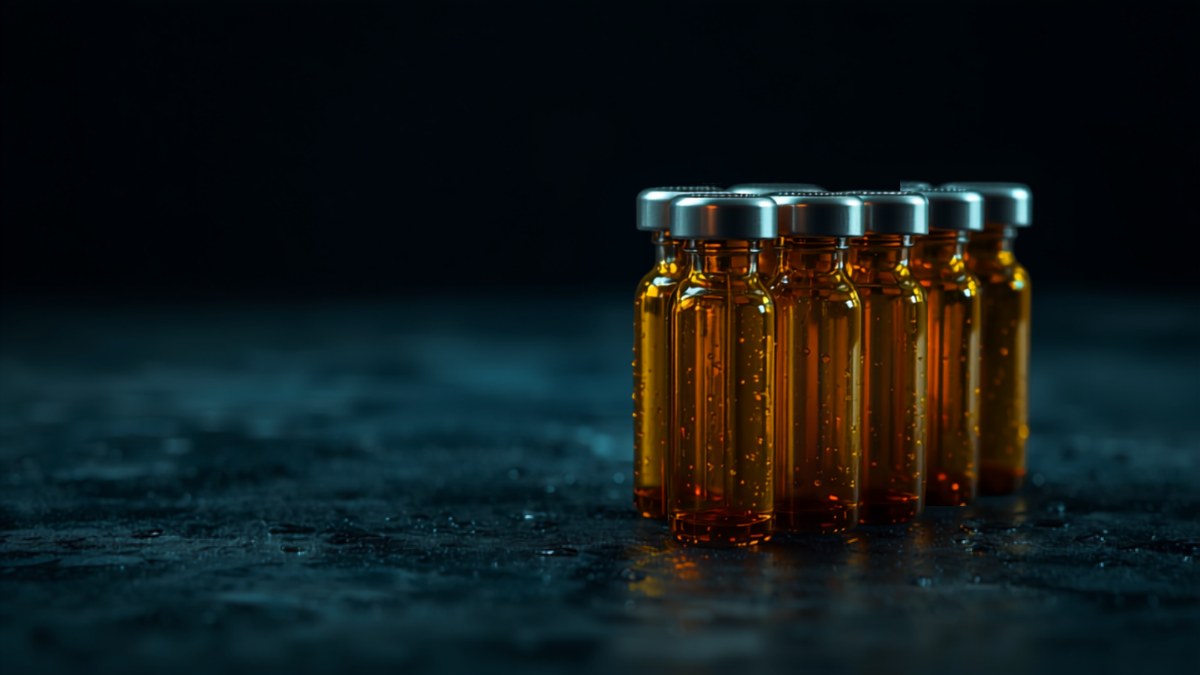
Reconstitution of Research Peptides: Laboratory Best Practices for Lyophilised Material
Reconstitution is a critical early step in any peptide research workflow. Whether you are preparing a lyophilised compound for in vitro assay, cell culture, or animal model work, the quality of your reconstitution directly affects downstream data integrity. This guide covers practical laboratory protocol, material handling, storage considerations, and the documentation practices that distinguish reliable research work from compromised efforts.
What Reconstitution Means and Why It Matters
Lyophilisation (freeze-drying) is widely used in peptide supply chains because it extends shelf life, simplifies storage, and reduces shipping complexity. Reconstitution—dissolving the dried material in an appropriate solvent—is the inverse process. The peptide transitions from solid to solution, a step that introduces several variables: solvent choice, pH, temperature, osmolality, and time all influence the final working solution.
Poor reconstitution practices can introduce aggregation, reduce apparent recovery, or introduce contaminants. Because peptides are sensitive macromolecules, the reconstitution environment matters as much as the source material. A peptide that arrived in good condition can become unsuitable for research if reconstituted carelessly.
Solvent Selection and pH Considerations
The choice of solvent is not arbitrary. Common options include:
- Sterile water (ultrapure or MilliQ-grade) — suitable for most research peptides, though may promote aggregation in some cases
- Phosphate-buffered saline (PBS) — maintains physiological pH and osmolality; widely used for cell-based work
- Acetic acid solutions — often specified by the supplier; commonly 0.1 % acetic acid in water, which lowers pH and can reduce aggregation
- DMSO — sometimes employed for hydrophobic peptides; solubilises material that resists aqueous reconstitution
Your supplier should specify a recommended reconstitution solvent. If they do not, ask. The solvent recommendation reflects the peptide's chemical properties and intended research use.
pH buffering is equally important. Many peptides remain stable across a wider pH range than naive aqueous solutions offer. If your protocol specifies PBS or another buffer, prepare it fresh or confirm its expiry date. Expired buffer solutions can drift in pH and osmolality, introducing unwanted variables.
When reconstituting in acetic acid, be aware that the resulting solution will be acidic. If your downstream assay requires neutral pH, plan a secondary dilution step into your working buffer.
Reconstitution Procedure and Material Handling
Pre-Reconstitution Checks
Before opening a lyophilised vial:
1. Inspect the exterior. Look for signs of physical damage, moisture ingress, or label degradation. A compromised vial seal raises questions about storage conditions upstream.
2. Verify the label. Confirm the compound identifier, lot/batch number, and nominal mass match your purchase order and protocol notes.
3. Document the condition. A brief note—"vial received intact, seal intact, label clear"—creates a simple chain-of-custody record.
Reconstitution Steps
1. Prepare your solvent. If using water, use ultrapure or MilliQ grade. If using buffer, confirm pH and osmolality within specification. Allow frozen buffers to thaw at room temperature or briefly at 4 °C.
2. Calculate the target concentration. If the vial is labelled with a nominal mass (e.g., 5 mg), decide your final volume. A 5 mg peptide reconstituted in 5 mL yields 1 mg/mL; in 10 mL, it yields 0.5 mg/mL. Write this calculation down before you begin.
3. Add solvent slowly. Open the vial in a biosafety cabinet or under laminar flow if working under aseptic conditions. Add only half the target volume initially. Many lyophilised peptides require time to hydrate; adding all solvent at once can trap undissolved material at the core of the cake.
4. Allow hydration time. Leave the vial undisturbed for 10–30 minutes. The timescale depends on the peptide size and the cake density; a small, sparse cake rehydrates faster than a dense one.
5. Mix gently. Avoid vigorous vortexing, which introduces air and can promote aggregation. Instead, invert the vial gently 10–20 times, or pipette up and down slowly with a wide-bore pipette tip.
6. Add remaining solvent. Once the material is visibly dissolved or fully suspended, add the rest of the target volume. Mix again gently.
7. Inspect the solution. Note its appearance (clear, slightly opalescent, coloured, or turbid). If the solution remains visibly turbid after 30 minutes at room temperature, the peptide may not have fully dissolved. Do not force it; document the observation and consider whether the solvent choice or pH was appropriate.
8. Dispense and label. If you are preparing aliquots, use sterile technique. Label each aliquot with the compound name, lot number, concentration, reconstitution date, and initials of the person who performed the work.
Storage, Cold Chain, and Stability After Reconstitution
Reconstituted peptides are generally less stable than their lyophilised precursors.
Immediate use. If your protocol requires the solution within hours of reconstitution, store it at room temperature in a capped, labelled tube. Minimize exposure to light and air.
Short-term storage (days to 1–2 weeks). Refrigeration at 4 °C is standard. Use sterile, capped microtubes. If the solution was prepared under non-aseptic conditions, microbial growth is a risk; refrigeration slows but does not prevent it. Do not store reconstituted peptides at room temperature for more than a few hours without aseptic precautions.
Longer-term storage (weeks to months). Freezing at −20 °C or −80 °C extends useful life, but introduces freeze-thaw cycles as a variable if you repeatedly thaw and refreeze. Best practice: prepare small aliquots (50–500 μL) and freeze each one, so you thaw only what you need for a single experiment. Label each aliquot with the reconstitution date and expiry assumption (e.g., "−80 °C, assume usable for 3 months").
Osmolality and pH drift. Reconstituted solutions in buffer can drift slightly over time, especially if stored for weeks. If your assay is sensitive to pH or osmolality, prepare a fresh stock for each new experimental batch rather than reusing an old one.
DMSO-based solutions are somewhat more stable but carry their own risks: DMSO is hygroscopic and will absorb water from humid air if the vial is not tightly sealed. Store DMSO solutions in sealed microtubes at −20 °C.
Documentation, Traceability, and Evaluating a Supplier
Sound reconstitution practice rests on clear documentation:
- Lot/batch number of the original lyophilised material
- Solvent used (name, grade, expiry if applicable)
- Nominal mass on the vial and target concentration calculated
- Reconstitution date and time
- Appearance of the final solution
- Name/initials of the person performing the work
- Storage location and temperature
This record serves two purposes: it allows you to troubleshoot if downstream data seem anomalous, and it demonstrates procedural rigour if your work is audited or reproduced by colleagues.
What to Ask a Supplier
When evaluating a research peptide supplier, enquire about:
1. Recommended reconstitution solvent. A competent supplier can specify this; evasiveness is a warning sign.
2. Lot number and expiry dating. Each shipment should carry a unique lot identifier and an assumption about shelf life (e.g., "stable at −20 °C for 2 years from manufacture date").
3. Reconstitution guidance in writing. A brief SOP or data sheet detailing solvent, volume, mixing approach, and storage is standard professional practice. If a supplier does not provide it, ask for it explicitly.
4. What the supplier does and does not provide. As a matter of principle, do not assume the supplier has performed analytical testing (HPLC, mass spectrometry, purity assay, or other characterisation) unless they explicitly state it in writing and provide a document. Many suppliers ship research peptides as uncharacterised material—meaning you receive only the mass declared on the label, with no independent verification of identity, purity, or integrity. This is common and acceptable for early-stage research, but you must know it.
Storage and Cold Chain Compliance
From manufacture to your bench, the material passes through a supply chain. Key points:
- Lyophilised peptides are generally stable at room temperature during shipping, though refrigerated transport (2–8 °C) is often preferred to minimise any risk.
- On receipt, store lyophilised material at −20 °C or below unless the supplier specifies otherwise.
- If a vial arrives thawed (visibly wet inside the vial or the cake is discoloured or stuck to the bottom), contact the supplier immediately. Do not attempt to use the material without understanding what may have happened.
- The typical delivery window for orders is 10–15 days. Plan your experimental timeline accordingly; do not assume overnight or expedited delivery unless you have explicitly arranged and paid for it.
Closing: Research-Use-Only Statement
This article is for educational purposes and describes general laboratory practices for handling lyophilised research peptides. It is not medical advice, product guidance, or a substitute for your own research, your institution's safety protocols, or consultation with primary literature relevant to your specific compound and application.
All materials referenced on this site are for laboratory research use only and are not intended for human or veterinary use, medical diagnosis, treatment, or any therapeutic application.