Reconstitution of Research Peptides: Laboratory Best Practice and Supplier Evaluation
Reconstitution is a critical first step when working with lyophilised research peptides in the laboratory. The quality of your reconstitution process—and the condition of the material you receive—directly affects the reliability of your downstream research. This article walks through practical reconstitution methodology, what to expect from your supplier regarding material condition and documentation, and how to establish proper chain of custody before work begins.
Understanding Lyophilised Peptide Formats
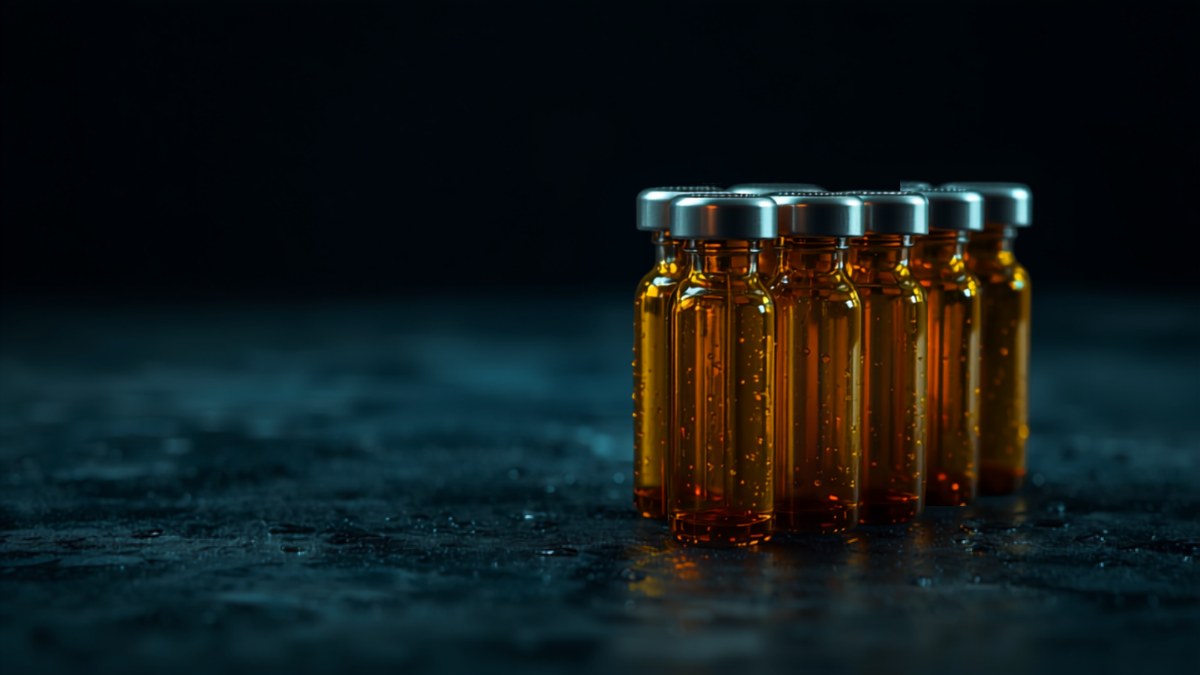
Research peptides are typically supplied in lyophilised (freeze-dried) form: a stabilised solid state achieved by removing water under vacuum after freezing. This format simplifies logistics compared to liquid solutions.
When you receive lyophilised material, you should expect:
- A sealed vial or container, intact and properly labelled with batch or lot identification, peptide sequence or designation, and storage instructions
- A dry powder or cake with visible colour consistent with the peptide composition (many peptides appear white, off-white, or pale tan)
- Documentation from your supplier that includes batch identity, order reference, and shipping date—basic chain-of-custody markers
Your supplier should be transparent about what they cannot provide. Many research-peptide suppliers do not hold analytical characterisation data such as certificates of analysis (COA), high-performance liquid chromatography (HPLC) records, or mass spectrometry verification. This is important to confirm before purchase. We hold no analytical documentation; the material should be treated as uncharacterised. If a supplier claims third-party testing, batch-wise verification, or purity thresholds without producing these documents, that is a red flag. You should plan any complementary testing your research may require through a contract laboratory.
Pre-Reconstitution Protocol and Material Inspection
Before opening a lyophilised peptide vial, establish a documented chain of custody. Record:
- Date and time of receipt
- Condition of packaging (seal integrity, temperature indicators if present, any visible damage)
- Vial labelling (batch/lot number, peptide identity, storage guidance)
- Any discrepancies from the order (quantity, identification mismatch)
Storage before reconstitution:
Unopened lyophilised peptides should be stored at 2–8 °C (refrigerated) or at −20 °C (frozen) according to the supplier's instructions on the label. Do not leave vials at room temperature unless the label explicitly permits it. Keep vials in a dry environment; moisture ingress during storage can compromise stability.
Visual inspection upon opening:
When you first open the vial (in a biosafety cabinet if your protocol requires it), inspect the lyophilised cake:
- Appearance: Consistent colour and texture; no obvious discolouration, pooling, or crystallisation that suggests improper storage
- Cake integrity: The material should be a compact, dry solid; excessive crumbling or a wet appearance indicates problem storage
- Odour (if applicable): Peptides themselves are generally odourless; any pungent smell may signal contamination or solvent residue
If the material appears compromised, photograph it, document the batch number, and contact your supplier immediately. Do not proceed with reconstitution on questionable material.
Reconstitution Procedure: Best Practice
Reconstitution is the dissolution of lyophilised peptide in a chosen solvent. The goal is to achieve a homogeneous solution of known or measurable concentration for your experiments.
Solvent selection:
- Phosphate-buffered saline (PBS) is common for biologically-focused research
- Sterile water or 0.9 % saline are alternatives depending on downstream use
Step-by-step process:
1. Calculate volume: Determine the volume of solvent needed based on your desired final concentration. If you have received 10 mg of lyophilised peptide and want a 1 mg/mL stock, you will add 10 mL of solvent.
2. Prepare the solvent fresh or verify its age: Reconstitution solutions can degrade; use freshly prepared buffers or verify that bottled solutions have not exceeded their stated shelf life.
3. Add solvent slowly: Do not dump solvent into the vial. Instead, add it gradually (e.g., half the calculated volume initially) and allow the lyophilised cake to hydrate. This reduces foaming and incomplete dissolution.
4. Mix gently: Once the cake has softened, pipette up and down gently or vortex briefly to ensure homogeneity. Aggressive vortexing can introduce air, promoting oxidation and aggregation.
5. Allow time to dissolve: Peptides can take 30 minutes to several hours to fully dissolve, depending on size and sequence. Do not assume immediate clarity means complete dissolution; allow adequate contact time.
6. Verify clarity: The solution should be clear or slightly translucent. If it remains cloudy after extended contact time, this may indicate aggregation, contamination, or an incompatible solvent choice. Document the visual state.
Documentation, Labelling, and Chain of Custody
Once reconstituted, apply a new label to your working solution that includes:
- Peptide identity (sequence, assigned name, or catalogue reference)
- Original batch/lot number from the lyophilised vial
- Reconstitution date and time
- Solvent used (e.g., "0.1 % TFA in ultrapure water")
- Concentration (if you have confirmed it) or "as reconstituted from [mass] lyophilised material"
- Intended expiry based on your storage conditions and stability assumptions
- Your name or initials and laboratory identifier
This labelling serves multiple purposes: it maintains traceability, enables colleagues to understand the material's origin and preparation, and is essential for regulatory compliance if your research later contributes to published or submitted work.
Storage after reconstitution:
Reconstituted peptide solutions are less stable than lyophilised material. They should be:
- Stored at 2–8 °C (refrigerated) for short-term use (typically days to a few weeks)
- Stored at −20 °C or lower for longer-term retention (months to years)
- Protected from repeated freeze–thaw cycles; divide into aliquots if you anticipate multiple uses
- Kept away from light if the peptide is photolabile (e.g., peptides containing tryptophan or photolabile protecting groups)
Do not store reconstituted solutions at room temperature unless you have verified their stability under those exact conditions through prior experiments.
Evaluating Your Supplier
A reliable peptide supplier for research use will:
- Provide clear shipping and handling instructions on or with the vial
- Deliver material within a standard window (10–15 days for standard orders)
- Supply basic chain-of-custody information: batch number, order date, and dispatch confirmation
- Be transparent about analytical data: explicitly state that no analytical documentation is held, and never imply certifications (GMP, ISO, USP, "pharmaceutical grade") they have not demonstrated
- Respond promptly to questions about material condition or unexpected appearance
- Clarify solubility, recommended solvents, and known aggregation issues for your specific peptide if they have prior experience
Avoid suppliers who:
- Make health, therapeutic, or efficacy claims for research peptides
- Promise material grades or quality assurances without producing supporting documentation
- Claim regulatory approval or pharmaceutical-industry certifications without evidence
- Remain vague about whether third-party testing or analytical verification exists
The Role of Reconstitution Research Peptides in Laboratory Workflow
Reconstitution research peptides represent a practical and economical format for investigators who conduct in vitro studies, assay development, or analytical method validation. Because lyophilised material is shelf-stable and compact, it reduces shipping complexity and allows researchers to reconstitute only what they need for immediate use, minimising waste and oxidation of prepared solutions. The reconstitution process itself—though straightforward—benefits from systematic documentation and attention to detail, particularly when multiple researchers or institutions may handle the same batch across time.
Closing Remarks
Reconstitution of research peptides is a practical, learnable skill that becomes routine with experience. The foundation, however, is receiving material that is properly stored, clearly labelled, and delivered intact. Before placing an order, confirm what your supplier will and will not provide: full transparency about analytical documentation (or the lack thereof) sets realistic expectations and helps you plan any complementary testing your research may require.
Research Use Only Disclaimer:
All peptides discussed in this article are intended for laboratory research purposes only. They are not approved, licensed, or intended for human, animal, or veterinary use, for therapeutic application, or for any in vivo study. The information provided is educational and descriptive; it does not constitute medical, diagnostic, or treatment advice. Users are responsible for compliance with all applicable local, regional, and national regulations governing the use of research chemicals in their jurisdiction.