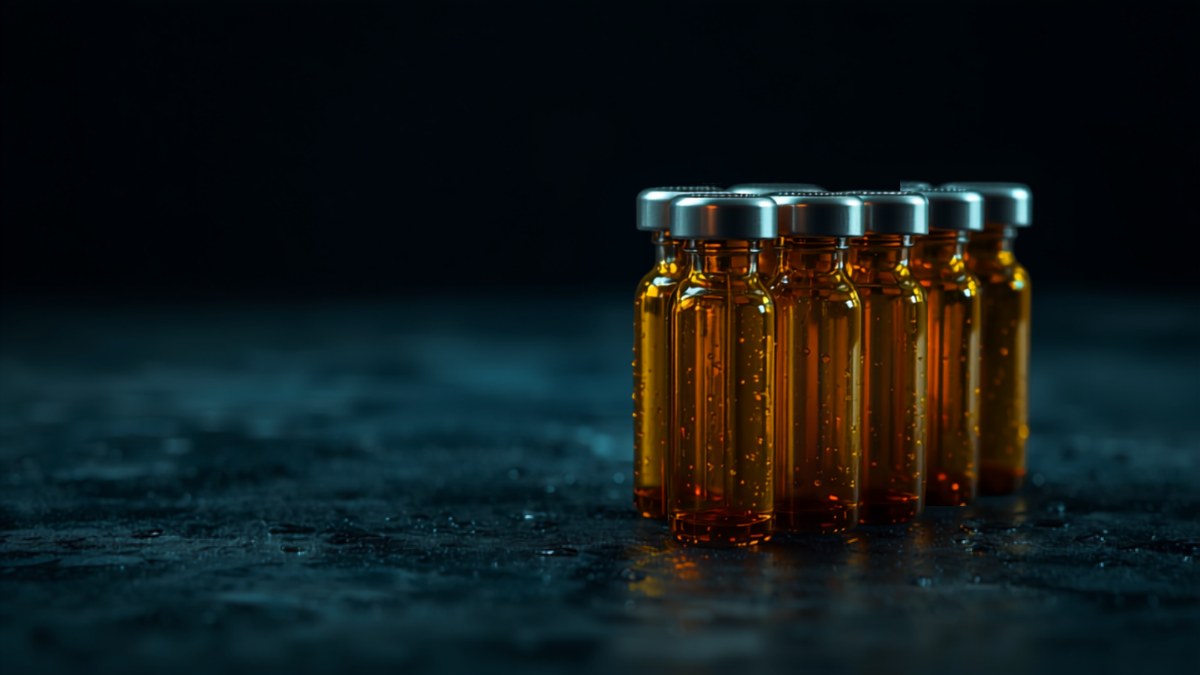
Compounding Grade Research Peptides: Handling, Storage, and Bench Protocol for Laboratory Research
Researchers working with peptide compounds need to understand what "compounding grade" means in a research context, how to receive and store lyophilised material safely, and what practical protocols protect sample integrity from arrival through to experimental use. This post covers laboratory handling of research peptide powders—the bench work, cold chain management, and storage considerations that matter when sourcing compounding grade research peptides for institutional bench work.
What "Compounding Grade" Means for Research Peptides
In research contexts, "compounding grade" refers to raw material intended for formulation, preparation, or incorporation into experimental systems—not finished products. For research peptides, this designation signals that the material is supplied as a powder (typically lyophilised) suitable for laboratory dissolution, dilution, and use in controlled experimental conditions.
Compounding-grade peptides are distinct from finished pharmaceutical products, which carry regulatory approval and standardized formulations. A research supplier providing compounding-grade material is furnishing a starting material: your laboratory becomes responsible for handling, storage conditions, and experimental application.
This grade is appropriate for basic research, method development, and bench work in academic and institutional settings. It is not suitable for human or animal use, and researchers must treat it as an uncharacterized compound pending their own validation and analysis.
Lyophilisation and Receipt Handling
Peptide powders arrive lyophilised (freeze-dried) to preserve stability and extend shelf life. Lyophilisation removes water while maintaining peptide structure, but the powder remains hygroscopic—it will absorb moisture from air if exposed.
Receiving and initial inspection:
Upon arrival, store the sealed vial or container immediately at 2–8 °C (refrigerated) or −20 °C (frozen), depending on supplier guidance. Do not open the package until it has equilibrated to room temperature; condensation will form if a cold container is opened while warm, introducing moisture into the powder. Allow sealed containers 30–60 minutes to reach bench temperature before opening.
Inspect the shipping container for signs of temperature excursion (leakage, damage, or warmth). Document receipt date, container condition, and any visible changes to the powder (colour, lumping, or unusual appearance). If the cold chain appears compromised, note this before proceeding.
Reconstitution Protocol and Solvent Selection
Lyophilised peptide powder must be reconstituted in a suitable solvent before use. The choice of solvent affects dissolution rate, peptide stability, and experimental outcomes.
Common reconstitution solvents for research peptides:
- Ultrapure water (MilliQ or equivalent): Standard for most peptides; low osmolarity and minimal interference.
- Phosphate-buffered saline (PBS): Maintains pH and ionic strength; suitable for many biochemical assays.
- Acetic acid solution (0.1–1%): Aids dissolution of hydrophobic or poorly soluble peptides; adjust pH post-reconstitution if necessary.
- DMSO (dimethyl sulphoxide): Useful for poorly water-soluble compounds; use only if the experimental design permits organic solvent.
Always use sterile, endotoxin-free water or solutions for research applications. Weigh or measure the powder before reconstitution if quantitative work is planned; use a calibrated balance suitable for milligram-scale accuracy.
Dissolve the peptide gradually, allowing time for hydration. Vortex or pipette mix gently; vigorous agitation can promote aggregation or foam formation, particularly for surfactant-sensitive peptides. Allow 10–30 minutes for full dissolution at room temperature, or refrigerate overnight if the peptide dissolves slowly. Record the final concentration and the date/time of reconstitution.
Storage, Stability, and Cold Chain
Peptides are sensitive to temperature, light, and oxidation. Proper storage minimizes degradation and maintains experimental validity.
Long-term storage of lyophilised powder:
- Store sealed vials at −20 °C (standard freezer) or −80 °C (ultra-low freezer) in the dark.
- Use airtight, moisture-sealed containers. Desiccant packs can protect powder vials in a freezer, especially in frost-free units where thaw cycles introduce humidity.
- Do not store in a standard refrigerator (2–8 °C) unless the supplier explicitly recommends it; repeated freeze–thaw cycles can degrade peptide material.
- Label with compound name, supplier lot or batch identifier (if provided), receipt date, and retest date (if applicable). Stability depends on the specific compound and storage conditions and should be validated by your laboratory.
Storage of reconstituted solutions:
- Refrigerate at 2–8 °C for short-term use (up to 7–14 days in most cases).
- Freeze reconstituted solutions at −20 °C or −80 °C for longer storage (weeks to months), but recognize that freeze–thaw cycles can compromise peptide integrity.
- Minimize headspace in storage containers to reduce oxidation.
- Protect from light: use amber or opaque vials where possible.
- Do not re-freeze thawed aliquots; prepare single-use aliquots from the start to avoid repeated thaw cycles.
Important: We hold no analytical documentation. The material should be treated as uncharacterized. Your laboratory should validate stability under your own storage and use conditions if experimental work depends on consistent peptide performance.
Labelling, Chain of Custody, and Documentation
Proper labelling protects against mix-ups and supports reproducibility.
Essential information on every vial or container:
- Compound name (and any alternative names or abbreviations used in your lab).
- Source: supplier name and order number or lot identifier.
- Date received.
- Solvent used for reconstitution (if applicable).
- Reconstitution date and prepared by (initials or name).
- Intended storage location (freezer, shelf, cabinet).
- Retest or expiry date (if applicable).
- Any relevant handling notes (e.g., light-sensitive, keep dry).
Maintain a simple log or spreadsheet documenting when each vial is opened, used, and discarded. This chain-of-custody record supports traceability if an experiment is repeated or results are questioned. Note any observations about appearance or behavior (e.g., unexpected precipitation, odour, or colour change) that might indicate degradation or contamination.
Store documentation (receipts, lot identifiers, logs) alongside physical samples. If your institution requires electronic record-keeping for regulatory or audit purposes, photograph or scan labels and maintain digital copies.
Evaluating a Research Peptide Supplier
When selecting a supplier of compounding grade research peptides, several practical factors matter:
1. Delivery timeframe: Orders ship directly from the manufacturing partner and arrive within 10–15 days. Confirm realistic lead times with your supplier and plan experiments accordingly.
2. Transparency about what is supplied: Ask the supplier directly what documentation is available with your order. A responsible supplier will state plainly what is and is not provided. We do not supply certificates of analysis, HPLC verification, mass spectrometry data, purity testing, or other analytical reports. Your laboratory should treat material as uncharacterized and validate it through your own analytical work if your experiments depend on documented identity or composition.
3. Shipping and handling: Ask how the supplier manages the cold chain. Material should arrive sealed and undamaged. Clarify who is responsible if damage is evident upon receipt.
4. Batch or lot identification: Even if detailed analytical documentation is unavailable, a supplier should assign a unique identifier to each order or batch. This allows you to track material back to its source if needed and to correlate results if you reorder.
5. Honest scope limitations: A reliable supplier will not make unsubstantiated claims about purity, efficacy, or suitability for applications beyond laboratory research use. Be cautious of suppliers making extraordinary promises or claims that exceed the research scope. Compounding grade research peptides are for laboratory investigation only.
Common Pitfalls and Best Practices
- Moisture exposure: Opening a cold vial in a warm lab introduces condensation. Always equilibrate sealed containers to room temperature before opening.
- Incomplete dissolution: Peptides that appear not to dissolve may actually be suspended or aggregated. Allow adequate time and use appropriate solvents; if persistent cloudiness occurs, note it and adjust technique.
- Freeze–thaw stress: Reconstituted peptides degrade with each freeze–thaw cycle. Prepare aliquots once and store accordingly.
- Contamination: Use sterile technique when withdrawing aliquots from a reconstituted stock. Contamination can introduce microbes or oxidize the peptide over time.
- Missing data: Document everything—receipt, reconstitution, storage location, use dates. This practice pays off when troubleshooting failed experiments or verifying reproducibility.
Conclusion
Handling research-grade peptides effectively requires attention to cold chain management, careful reconstitution, and diligent documentation. Researchers should understand that "compounding grade" material is a starting point for your own experimental work, not a finished or pre-validated product. Selecting a supplier who is transparent about what documentation does and does not exist, who delivers within a realistic timeframe (10–15 days), and who communicates clearly about handling requirements sets the foundation for successful bench research.
Disclaimer: This article is intended as educational information for laboratory professionals and is not medical advice. It does not constitute guidance on the efficacy, safety, or suitability of any compound for any application. All peptides covered here are for research use only and are not approved for human or animal use. Consult primary literature, supplier guidance, and your institution's safety and compliance protocols before working with any research compound. Do your own research and validate all material handling practices in your laboratory setting.